

Neurodiversity
Neurodiversity and SEND
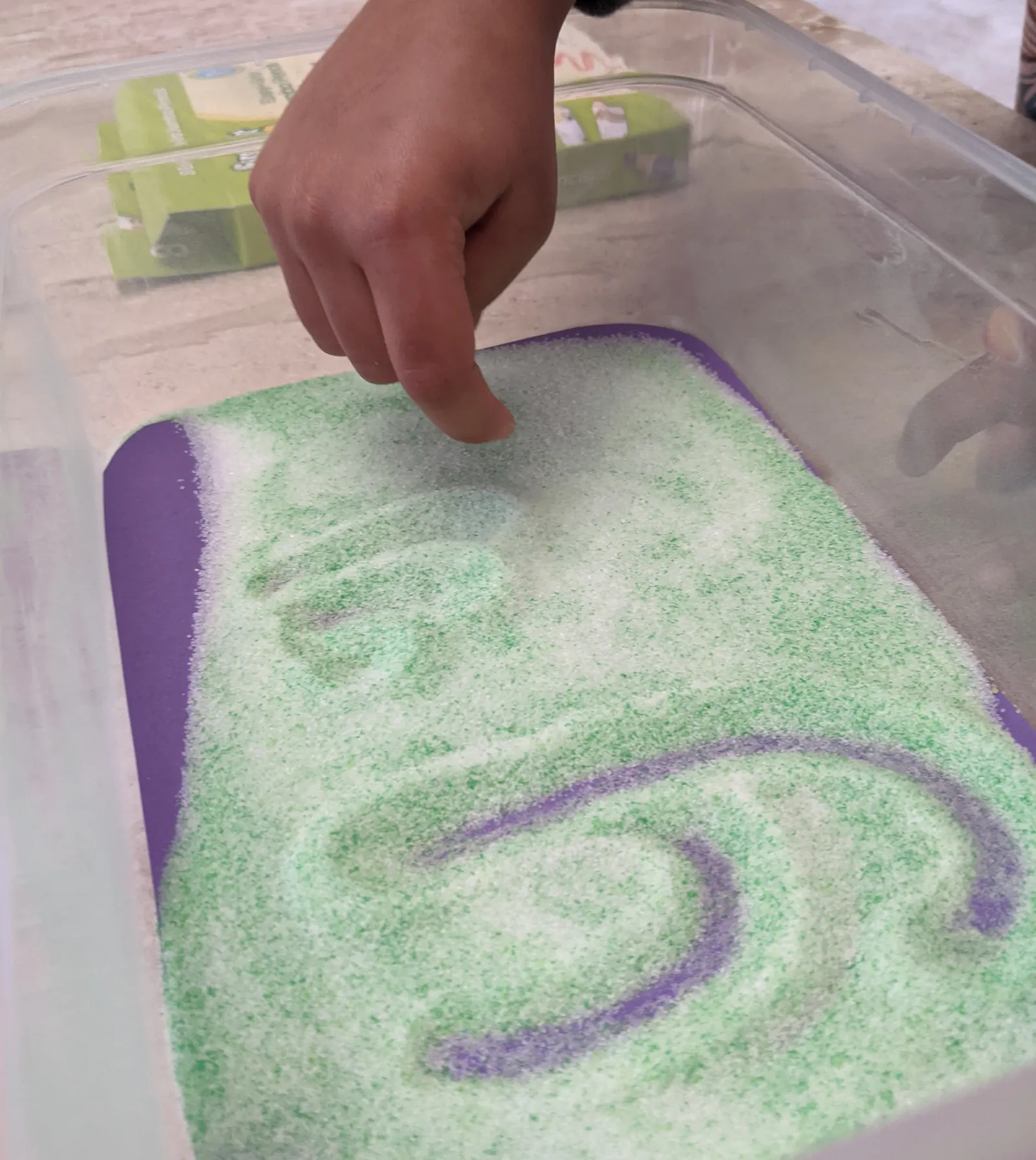
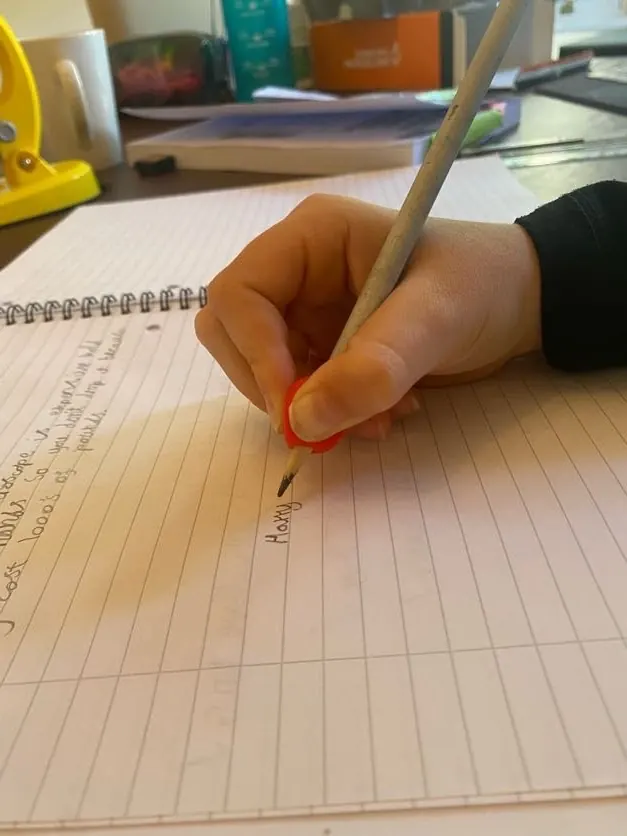
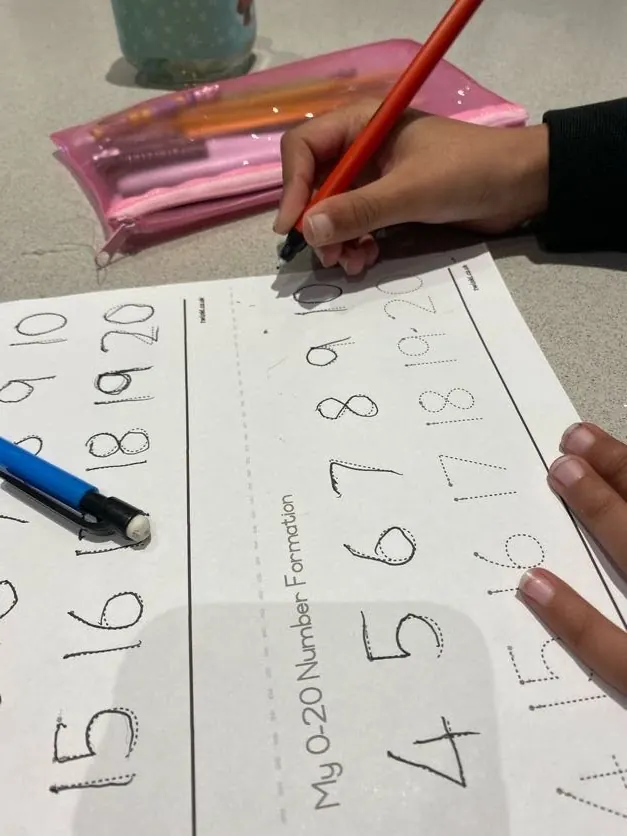
There is no one way to learn. We have particular experience of teaching neurodivergent students and young people with a range of additional needs, and we start by getting to know the individual: how they process information, what helps them engage and where the barriers to learning are.
the individual
Starting with the person, not the label
Rather than starting with a label, we get to know the individual: how they process information, what helps them engage and where the barriers to learning may be. Then we teach in the way that works for them, and keep adjusting.
Being neurodivergent or having additional needs says nothing about a student’s academic potential. Some of the most interesting, creative and high-achieving students happen to be neurodivergent.
Grace
Why it matters to us
A late diagnosis of ADHD gave our founder, Grace Agate-Bacon, an even deeper appreciation of neurodiversity and of the many ways children think, learn and experience education. She cares about recognising individuality, removing unnecessary barriers to learning and helping each student discover what they are capable of.
reports
Using what you already know
School reports, EHCPs and Educational Psychologist reports can all give useful information, and we read them alongside what we learn from teaching your child. We never let a score or a label define them.
the aim
Finding the way in
Our aim is always to find the approach that lets the individual student flourish. Karen Burnham, who leads our tutor training, has a gift for finding a way into learning when more conventional approaches haven’t quite worked.
Questions parents ask
Do you teach children with ADHD, autism or dyslexia?
We have particular experience of teaching neurodivergent students and young people with a range of additional needs. Rather than starting with a label, we get to know how your child learns. Tell us about them when you get in touch and we will be honest about whether we are the right fit.
Does my child need a diagnosis or an EHCP?
No. If you have reports or an EHCP they are useful, but many of the students we teach have neither. We start from what we see when we teach them.
see also
Other tuition
- PrimaryStrong foundations, and how children feel about learning.
- 11+ and entrance examsPurposeful preparation without unnecessary pressure.
- Secondary, GCSE and A-levelMaking what students already know count in the exam.
- Home educationAcademic expertise alongside your family’s own approach.
- High achieversRoom to go further, with precision and depth.
next step
Talk to us about your child
Tell us a little about your child and what would help. We will talk it through with you and, if tuition is right, find the tutor who suits them.
Make an enquiry or call Grace on 07716 131813 (East Sussex) or Samantha on 07886 812675 (Essex)